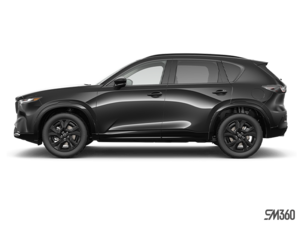
Mazda CX-30 vs. CX-5 2026: Which One Is Right for You?
January 16 1990,
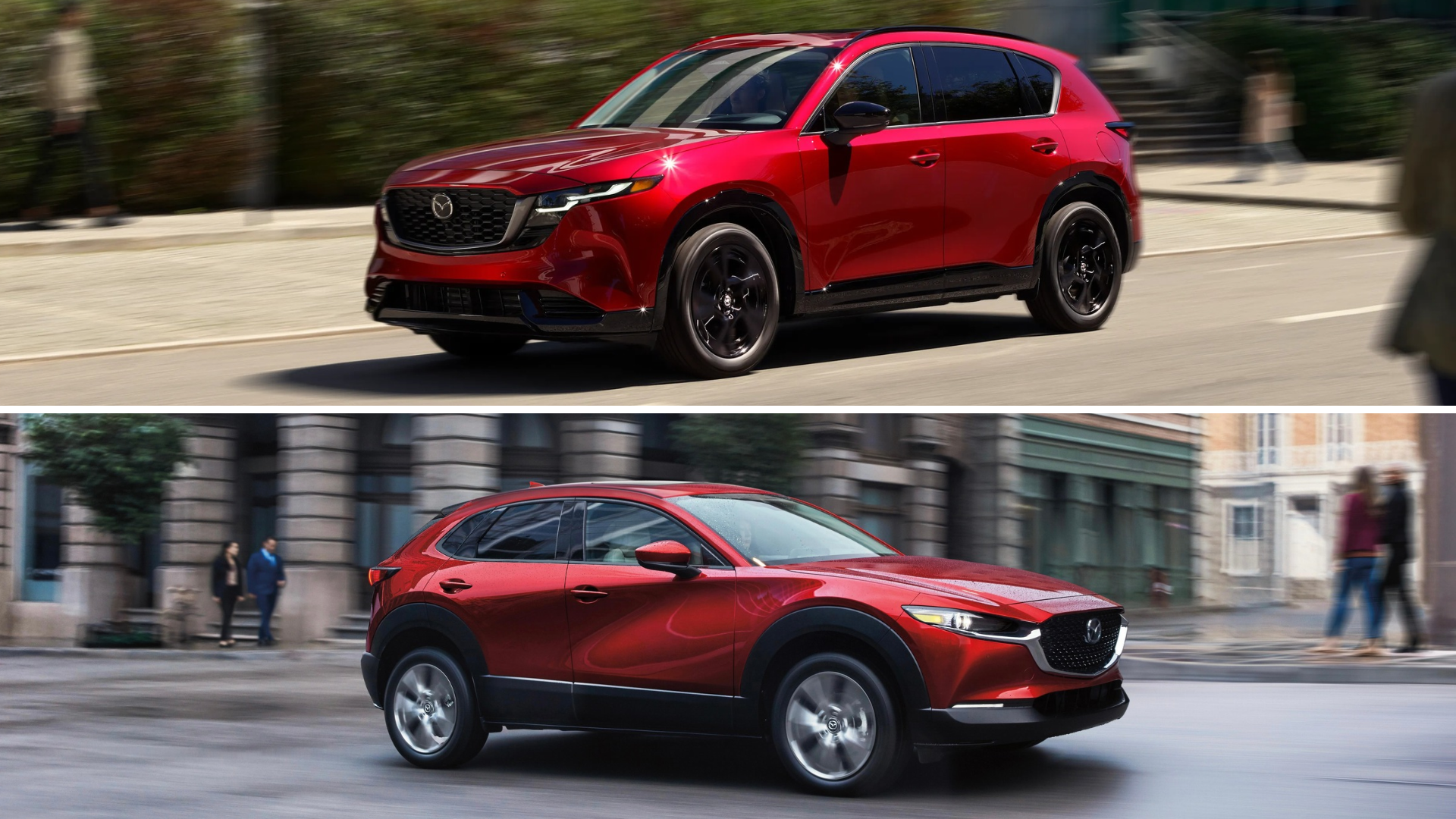
Table of Contents
- Size and Appearance: An Urban SUV or a More Spacious Model?
- Interior, Comfort and Storage Space
- Driving Experience: What Are the Differences Behind the Wheel?
- Price, Fuel Economy and Everyday Costs
- Mazda CX-30 or CX-5: Which One Should You Choose?
- What About Trim Levels?
- Discover the Mazda CX-30 and CX-5 at Spinelli Mazda
- Frequently Asked Questions (FAQ)
Are you looking for a Mazda SUV but having trouble deciding between the 2026 CX-30 and CX-5? Both models offer refined styling, standard all-wheel drive (AWD) and a driving experience focused on comfort and driving enjoyment. However, they don't quite meet the same needs.
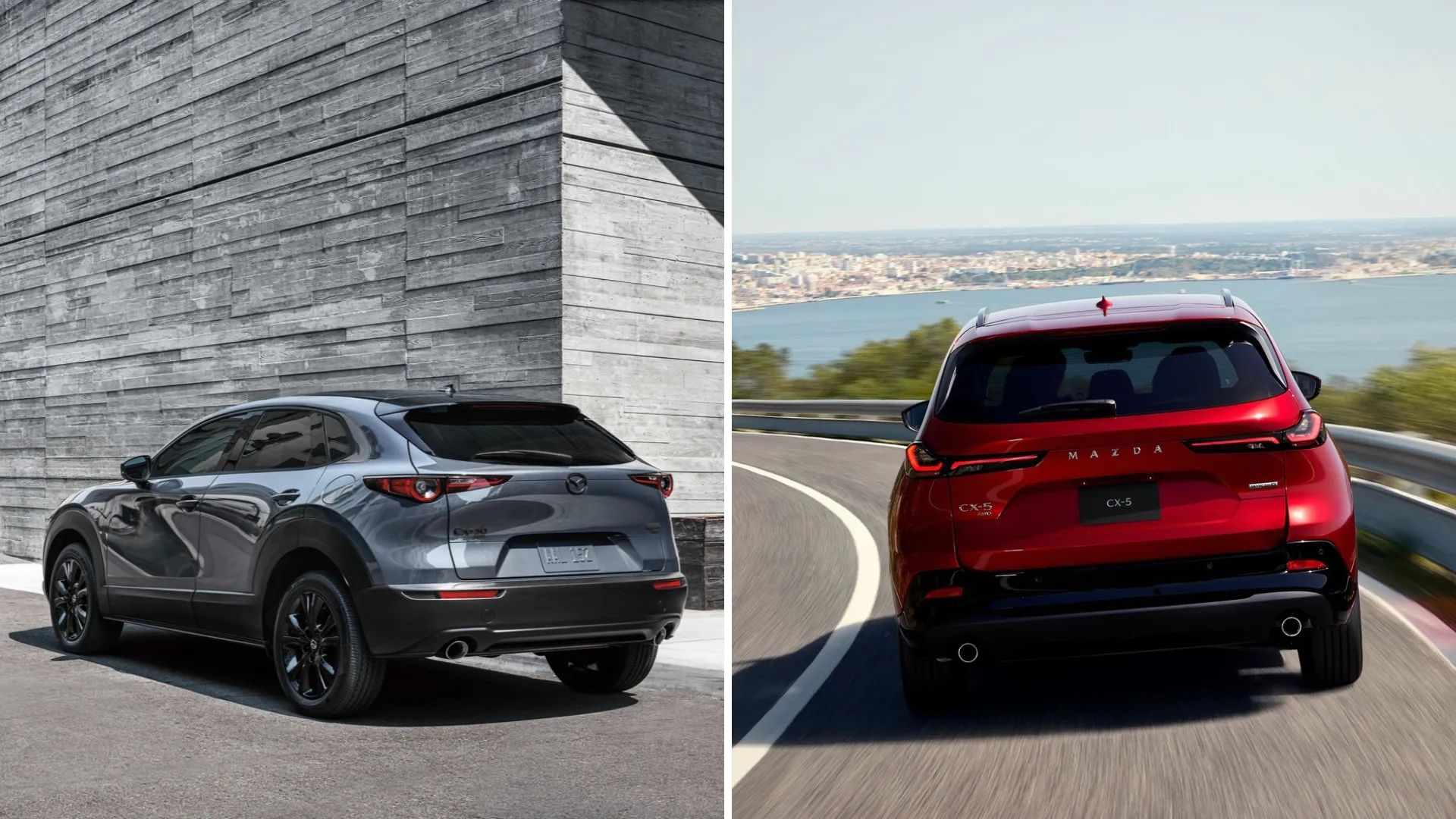
The main difference lies in their size and versatility. The Mazda CX-30 is a subcompact SUV particularly well suited to everyday driving and urban commutes. The Mazda CX-5, on the other hand, is a compact SUV that offers more space for passengers and luggage, making it an appealing option for families and drivers who travel regularly.
To help you choose the right model, here are the main differences to consider.
1. Size and Appearance: An Urban SUV or a More Spacious Model?
The first difference between the Mazda CX-30 and CX-5 is their overall size and road presence.
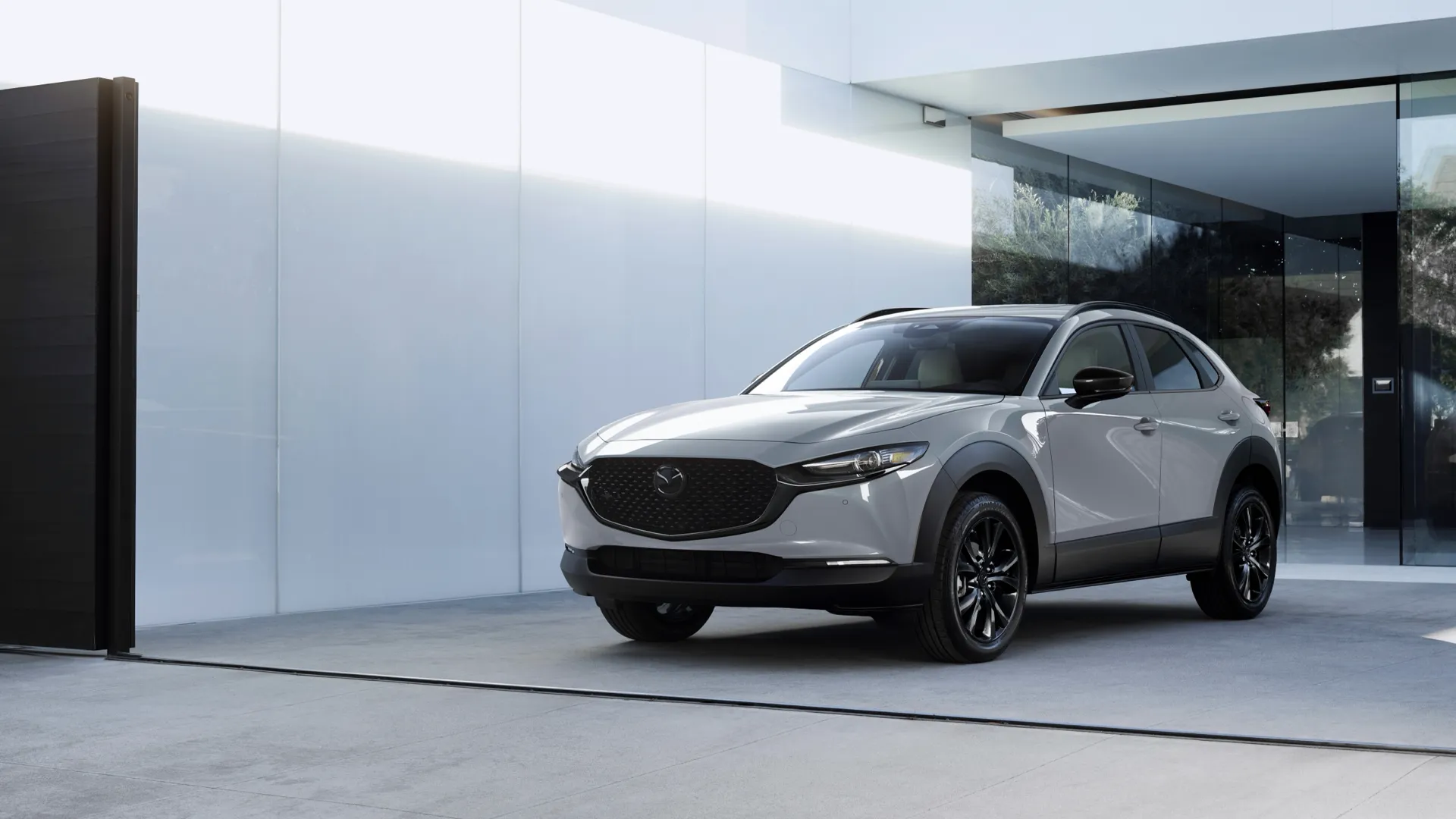
The 2026 Mazda CX-30 stands out with its more compact size and sporty appearance. Its proportions give it a dynamic silhouette, while its size makes it easier to navigate city streets, maneuver through tight spaces and park on the street or in underground parking garages. It's particularly well suited to drivers who want to enjoy the benefits of an SUV without opting for a larger vehicle.
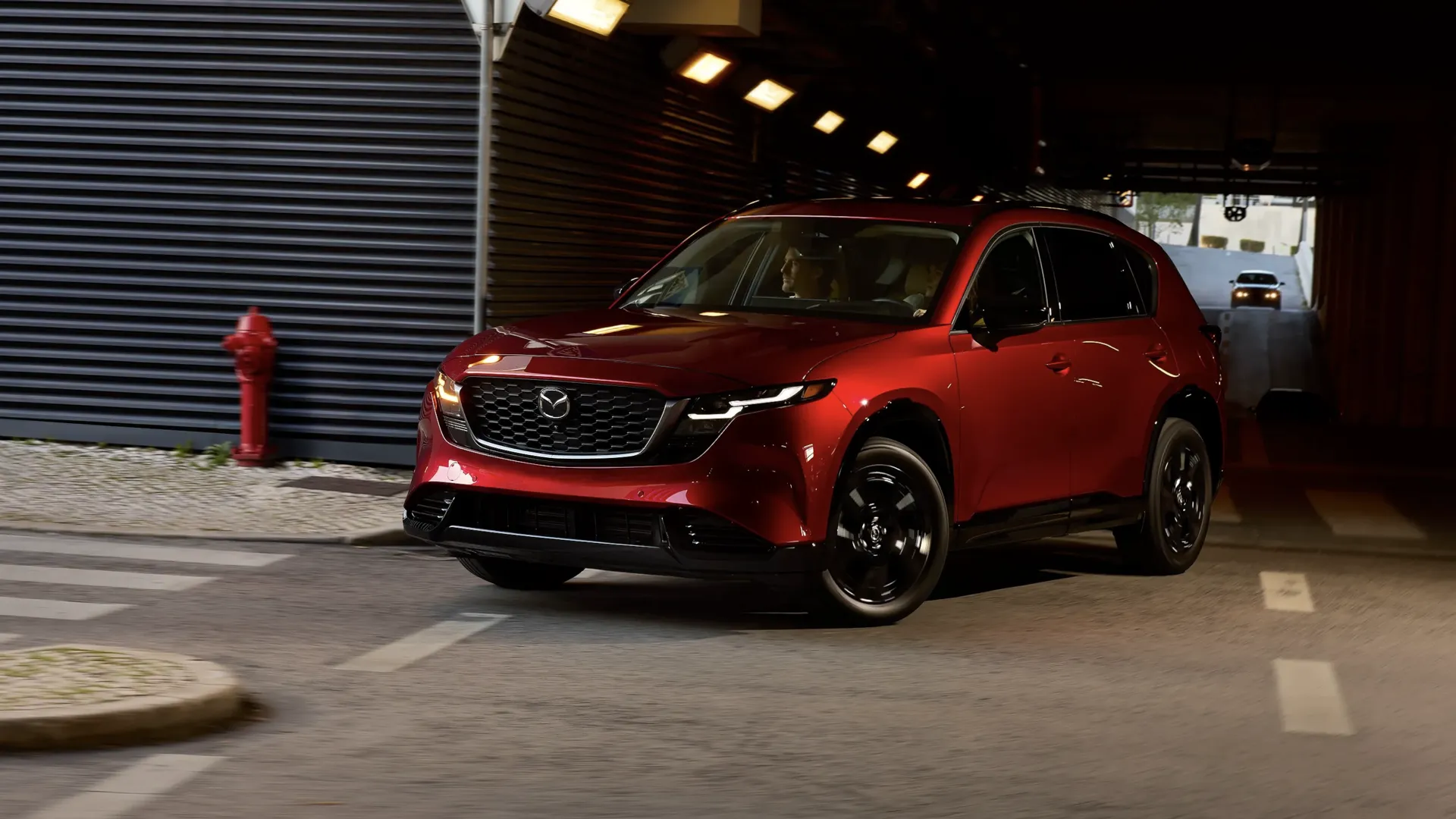
The 2026 Mazda CX-5 features a more robust silhouette and a stronger road presence. Its compact yet more generous size makes it better suited to drivers looking for a versatile vehicle for everyday commutes, family outings and weekend getaways.
From a design perspective, both models follow Mazda's Kodo design language, characterized by flowing lines and an elegant appearance.
In summary
The CX-30 is an excellent choice if you prioritize a compact vehicle that's easy to maneuver. The CX-5 is worth considering if you're looking for a more spacious and versatile SUV.
2. Interior, Comfort and Storage Space
Interior space is often one of the most important factors when comparing two SUVs. It's also one of the clearest differences between the CX-30 and CX-5.
Mazda CX-30: A Comfortable Interior in a Practical Size
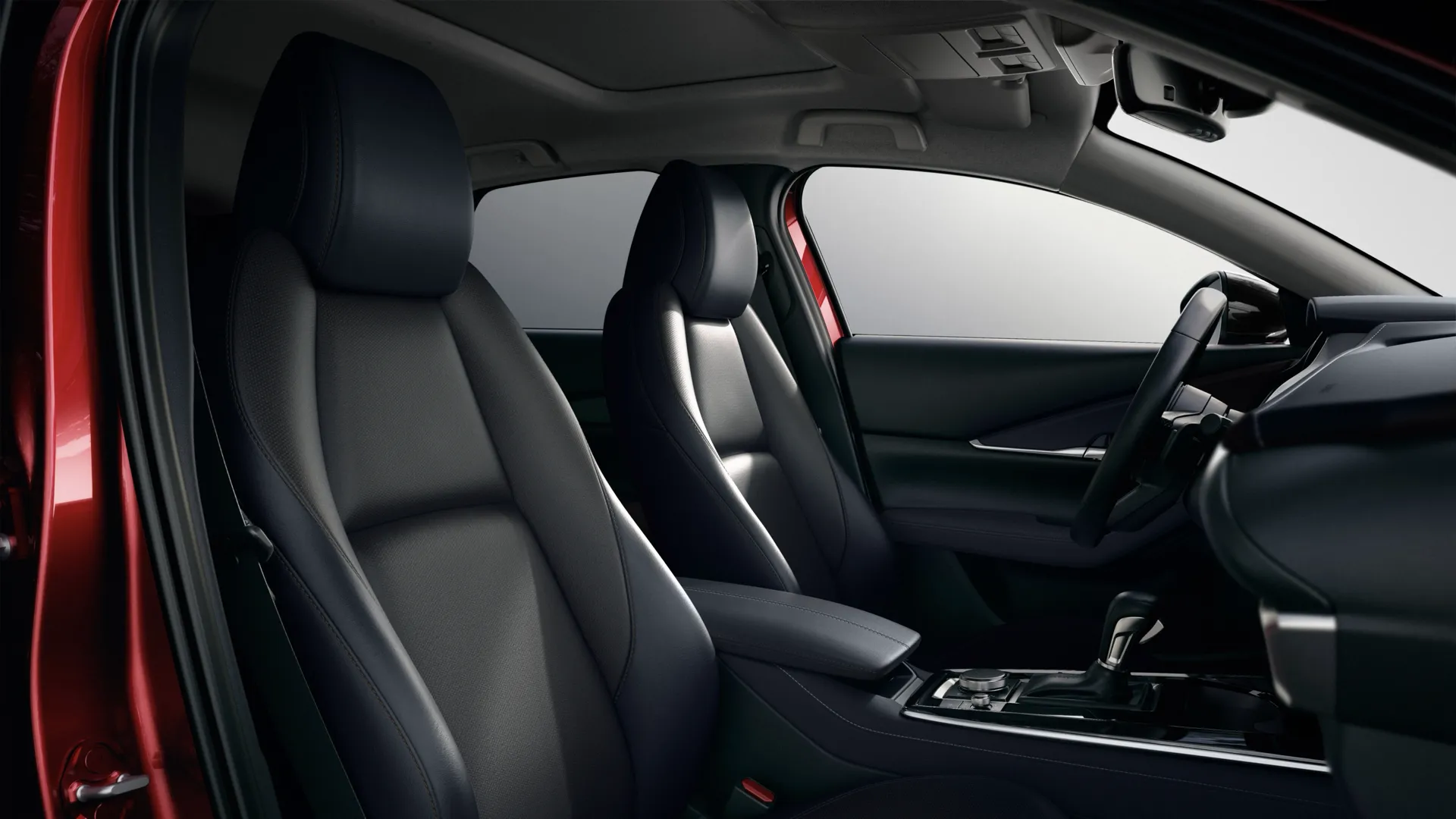
Despite its more compact size, the CX-30 offers a refined cabin with a clean layout and particular attention to ergonomics. The controls are designed to remain within easy reach of the driver, while the interior layout contributes to an enjoyable driving experience.
For a single person, a couple or a small family, the available space may be more than sufficient for everyday driving. The cargo area can accommodate groceries, hockey bags and the luggage needed for a short getaway.
However, it's important to consider the more limited space for rear passengers and luggage. If you regularly transport several adults, children in car seats or bulky equipment, you may appreciate a larger vehicle.
Mazda CX-5: More Room for Passengers and Luggage
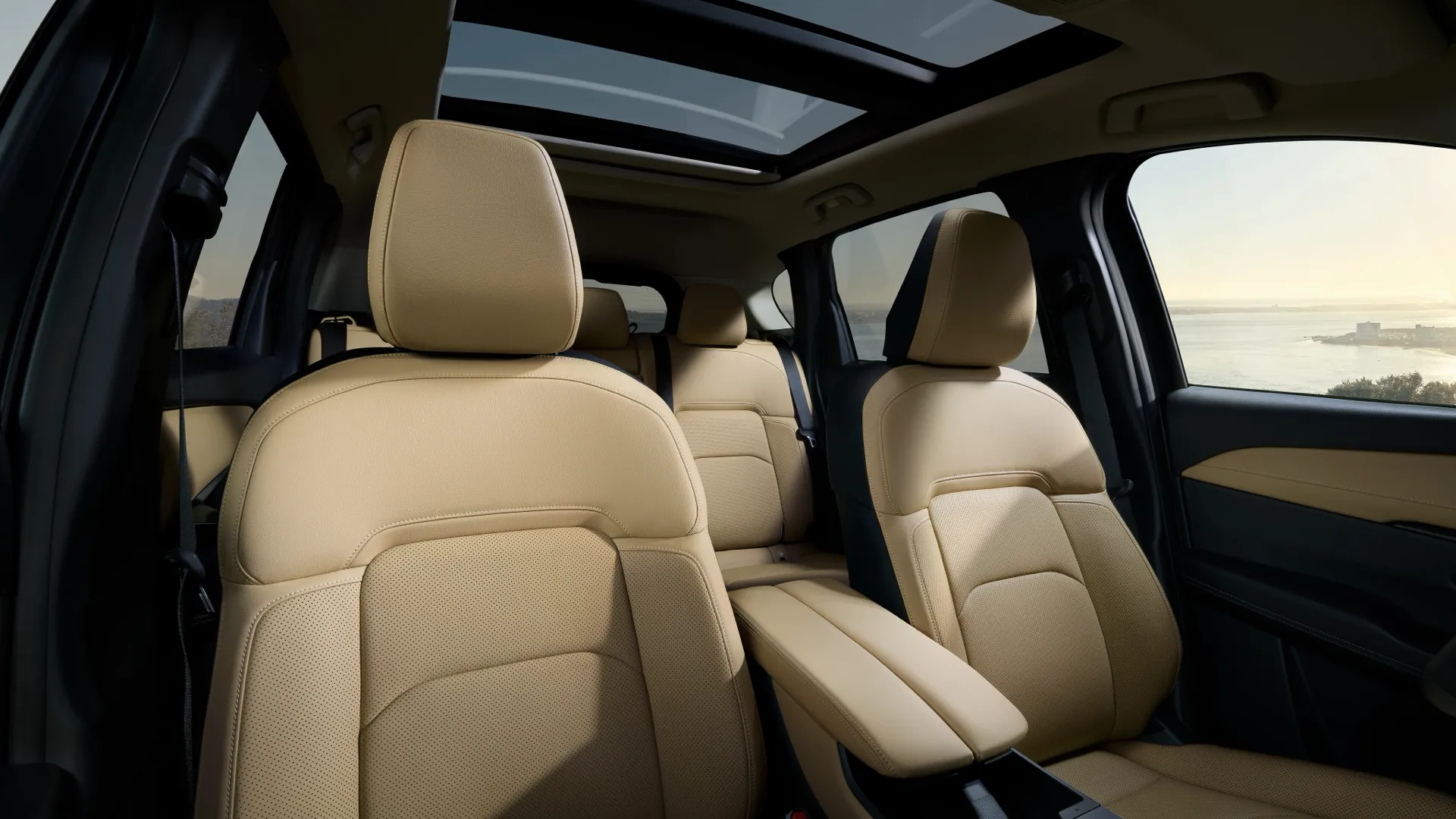
The 2026 CX-5 focuses on a more spacious cabin and greater versatility. Its new generation brings improvements, particularly in rear passenger comfort and cargo space. The wider door openings also make getting in and out easier, which is especially convenient when securing children in their car seats.
Its more practical cargo area can simplify family outings, road trips and the transportation of bulky items. Passengers also have more room to sit comfortably on longer journeys.
Both models feature carefully finished interiors and technologies designed to make driving easier. However, the 2026 CX-5 stands out with its updated infotainment system, featuring Google built-in and a larger central touchscreen. Exact equipment varies depending on the trim level selected.
In summary
The CX-30 is well suited to households that don't need much space. The CX-5 is a better choice for families, long trips and drivers who want greater flexibility in their daily lives.
3. Driving Experience: What Are the Differences Behind the Wheel?
Mazda places a strong emphasis on driving enjoyment. The CX-30 and CX-5 share this philosophy, but their size influences how they feel behind the wheel.
Mazda CX-30: Agile and Easy to Drive
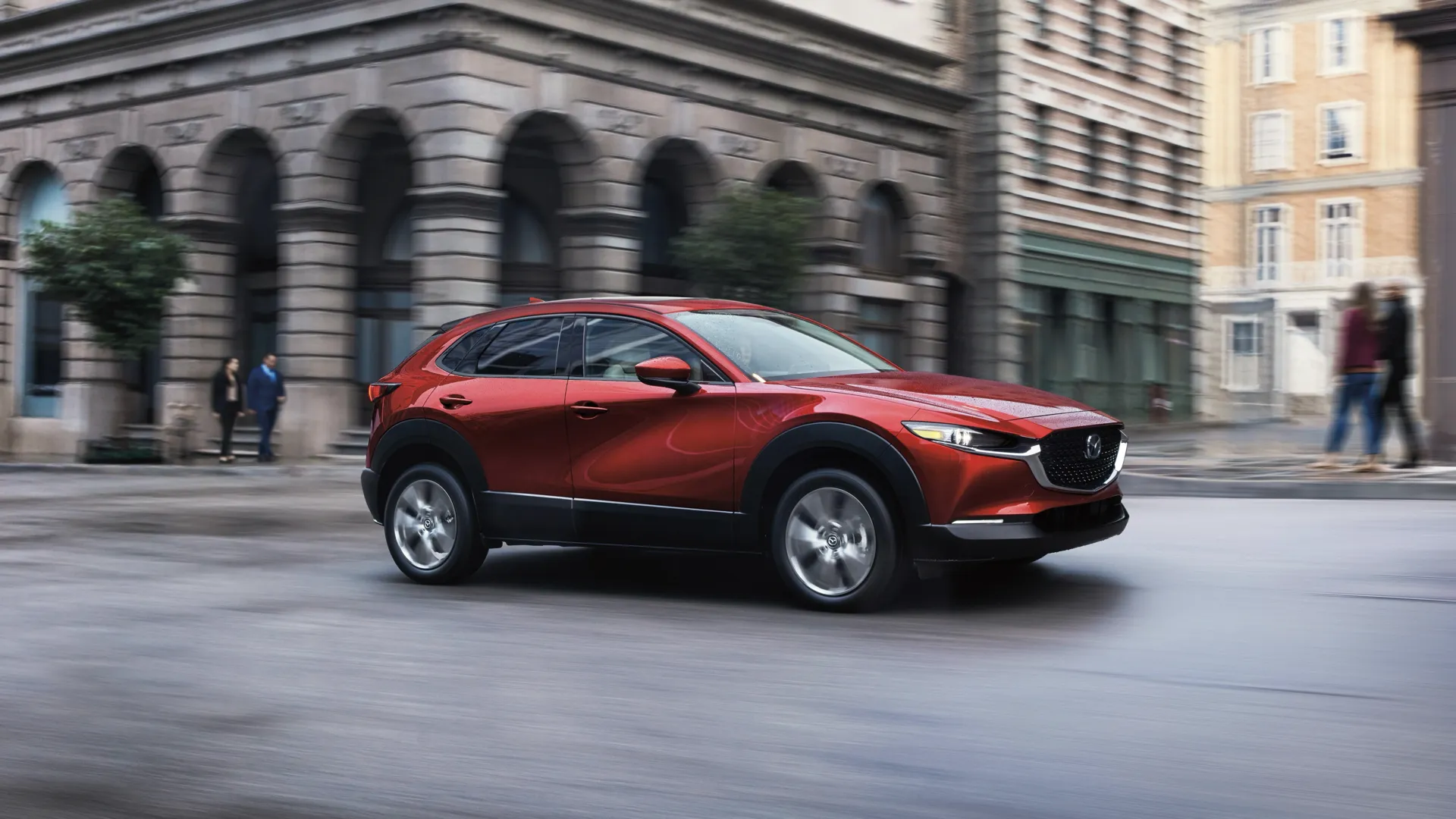
Thanks to its more compact size, the CX-30 is particularly well suited to urban environments. It's practical for navigating traffic, taking corners and parking in tight spaces.
Its 2.5-litre four-cylinder engine produces 186 horsepower in naturally aspirated versions. Some trims also offer a turbocharged engine for drivers who want more power.
Standard i-Activ all-wheel drive contributes to greater confidence when driving through Quebec winters.
Mazda CX-5: Versatile Performance for Everyday Driving
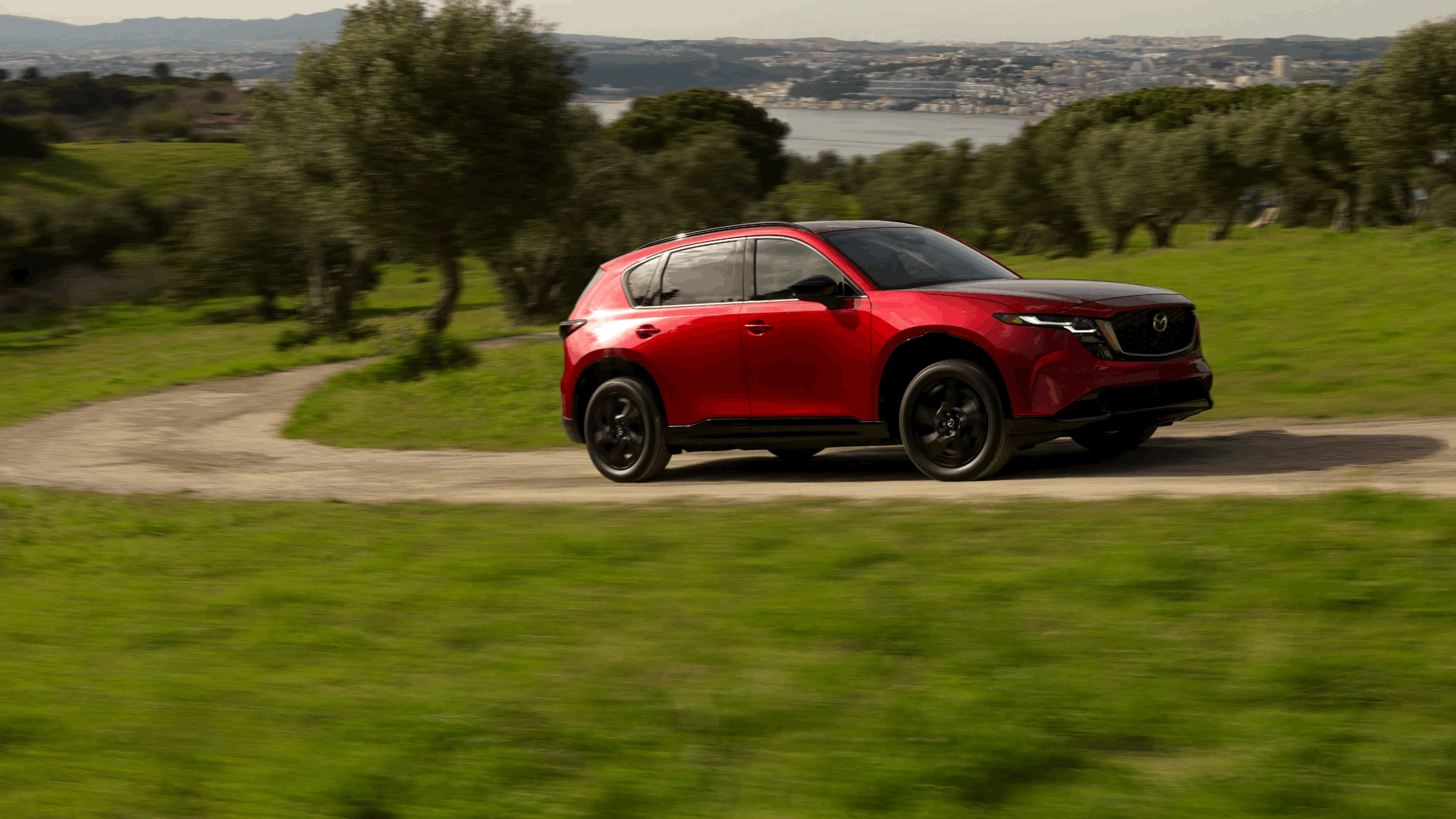
The CX-5 also offers an enjoyable driving experience, balancing comfort, stability and control. Its more generous size makes it particularly appealing for longer journeys and trips with passengers.
For 2026, the CX-5 is equipped with a 2.5-litre four-cylinder engine producing 187 horsepower, paired with a six-speed automatic transmission. i-Activ all-wheel drive is also included as standard equipment.
The CX-30 may feel more agile in tight spaces, while the CX-5 may be better suited to drivers who prioritize space and comfort during their travels. This doesn't mean that one is necessarily more enjoyable to drive than the other: driving position, visibility and how a vehicle feels behind the wheel remain personal considerations.
In summary
Choose the CX-30 if you're looking for a maneuverable SUV for everyday driving. Opt for the CX-5 if you want a versatile vehicle that meets both your urban driving needs and your family's travel needs.
4. Price, Fuel Economy and Everyday Costs
Budget is another important factor when choosing between the 2026 Mazda CX-30 and CX-5. The purchase price naturally varies depending on the model, trim level, current promotions and financing or leasing terms.
In general, the CX-30 is a more affordable option for buyers who want a Mazda SUV without paying for space they may not necessarily need. The CX-5, with its more generous size and improvements in comfort and technology, may justify the additional investment for those who will genuinely benefit from these advantages.
Fuel economy is also worth considering. The CX-30 has a fuel consumption rating of 7.5 L/100 km, slightly lower than the CX-5's 7.9 L/100 km. This difference may help reduce fuel expenses over time. However, actual costs depend on your annual mileage, driving habits and road conditions.
Is fuel economy particularly important to you? Consider the Mazda CX-70 mild hybrid or plug-in hybrid.
In Quebec, it's also worth considering expenses associated with winter driving, including winter tires, as well as insurance and maintenance costs. To compare the two models realistically, think about the total cost of ownership rather than just the monthly payment.
In summary
The CX-30 deserves your attention if you're looking for a practical and economical SUV for everyday use. The CX-5 may represent a better investment if its additional space and comfort meet specific needs in your life.
5. Mazda CX-30 or CX-5: Which One Should You Choose?
The best choice depends primarily on your lifestyle, driving habits and how much space you actually need.
The 2026 Mazda CX-30 is probably right for you if:
- You primarily drive in the city or suburbs.
- You're looking for a compact, sporty SUV that's easy to park.
- You generally travel alone, as a couple or with few passengers.
- You want to keep your purchase budget and fuel expenses under control.
The 2026 Mazda CX-5 is probably right for you if:
- You need more space for rear passengers and luggage.
- You regularly transport children or multiple passengers.
- You frequently take long drives or family trips.
- You prioritize a more spacious cabin and updated technology.
Ultimately, both the 2026 Mazda CX-30 and CX-5 offer an appealing combination of style, comfort and standard all-wheel drive. The CX-30 focuses on compactness and maneuverability, while the CX-5 places greater emphasis on space and versatility.
| Criteria | 2026 Mazda CX-30 | 2026 Mazda CX-5 |
|---|---|---|
| Size and Appearance | Subcompact SUV with sporty, dynamic styling. Its size is well suited to urban driving. | Compact SUV with a robust, refined appearance. Its larger silhouette appeals to drivers looking for more space. |
| Maneuverability and Parking | Its smaller size makes it practical for busy streets and tight parking spaces. | Its larger size may require a little more room for maneuvering and parking. |
| Passenger Space | Comfortable cabin, particularly well suited to individuals, couples and small families. | More spacious cabin, particularly in the second row, for improved passenger comfort. |
| Cargo Space | Cargo area suited to groceries, sports bags and everyday luggage. | More generous cargo space, ideal for trips, strollers and bulky luggage. |
| Infotainment Technology | 8.8-inch central display on the GX and 10.25-inch display on higher trims. Apple CarPlay and Android Auto are available, with wireless connectivity depending on the trim level. | 12.9-inch central touchscreen and Google built-in standard across the 2026 lineup. |
| Engine and Horsepower | 2.5L naturally aspirated engine producing 186 horsepower. A turbocharged engine is available on certain trims. | 2.5L naturally aspirated engine producing 187 horsepower. |
| Driving Experience | Agile handling and a practical size make it particularly well suited to urban environments. | Comfortable, stable ride with a more spacious cabin for family outings and long trips. |
| All-Wheel Drive | Standard i-Activ AWD on all trims. | Standard i-Activ AWD on all trims. |
| Fuel Economy | Approximately 8.7 L/100 km in combined fuel consumption for the naturally aspirated all-wheel-drive version. | Approximately 9.0 L/100 km in combined fuel consumption. |
| Purchase Price | Generally more affordable, making it an appealing option for buyers looking to stay within budget. | Generally more expensive to purchase, offering a more spacious cabin and updated features in return. |
| Best For | Individuals, couples and small families looking for a compact, agile SUV that's economical to operate. | Families and drivers who want more space, versatility and comfort for everyday driving and road trips. |
| Criteria | 2026 Mazda CX-30 |
|---|---|
| Size and Appearance | Subcompact SUV with sporty, dynamic styling. Its size is well suited to urban driving. |
| Maneuverability and Parking | Its smaller size makes it practical for busy streets and tight parking spaces. |
| Passenger Space | Comfortable cabin, particularly well suited to individuals, couples and small families. |
| Cargo Space | Cargo area suited to groceries, sports bags and everyday luggage. |
| Infotainment Technology | 8.8-inch central display on the GX and 10.25-inch display on higher trims. Apple CarPlay and Android Auto are available, with wireless connectivity depending on the trim level. |
| Engine and Horsepower | 2.5L naturally aspirated engine producing 186 horsepower. A turbocharged engine is available on certain trims. |
| Driving Experience | Agile handling and a practical size make it particularly well suited to urban environments. |
| All-Wheel Drive | Standard i-Activ AWD on all trims. |
| Fuel Economy | Approximately 8.7 L/100 km in combined fuel consumption for the naturally aspirated all-wheel-drive version. |
| Purchase Price | Generally more affordable, making it an appealing option for buyers looking to stay within budget. |
| Best For | Individuals, couples and small families looking for a compact, agile SUV that's economical to operate. |
| Criteria | 2026 Mazda CX-5 |
|---|---|
| Size and Appearance | Compact SUV with a robust, refined appearance. Its larger silhouette appeals to drivers looking for more space. |
| Maneuverability and Parking | Its larger size may require a little more room for maneuvering and parking. |
| Passenger Space | More spacious cabin, particularly in the second row, for improved passenger comfort. |
| Cargo Space | More generous cargo space, ideal for trips, strollers and bulky luggage. |
| Infotainment Technology | 12.9-inch central touchscreen and Google built-in standard across the 2026 lineup. |
| Engine and Horsepower | 2.5L naturally aspirated engine producing 187 horsepower. |
| Driving Experience | Comfortable, stable ride with a more spacious cabin for family outings and long trips. |
| All-Wheel Drive | Standard i-Activ AWD on all trims. |
| Fuel Economy | Approximately 9.0 L/100 km in combined fuel consumption. |
| Purchase Price | Generally more expensive to purchase, offering a more spacious cabin and updated features in return. |
| Best For | Families and drivers who want more space, versatility and comfort for everyday driving and road trips. |
6. What About Trim Levels?
Both the CX-30 and CX-5 are available in three main trim levels: GX, GS and GT.
For the Mazda CX-30, the GX is the most affordable trim and includes features such as heated front seats as well as Apple CarPlay and Android Auto connectivity. The GS adds several conveniences, including dual-zone automatic climate control, a heated steering wheel, a larger central display (10.25 inches compared with 8.8 inches in the GX) and wireless smartphone connectivity. The GT focuses more on refinement and technology, offering features such as a Bose audio system, leather seats and additional driver-assistance technologies.
For the Mazda CX-5, the GX already offers several practical and technological features, including a 12.9-inch central touchscreen and Google built-in. The GS adds features such as a power liftgate, a power-adjustable driver's seat and a head-up display. Finally, the GT enhances comfort and the cabin's overall atmosphere with leather seats, a Bose audio system and more premium interior finishes.
Discover the Mazda CX-30 and CX-5 at Spinelli Mazda
Still having trouble deciding between the two models? The best way to make your choice is to experience them in person.
Book a test drive of the 2026 Mazda CX-30 or CX-5 to compare their comfort, visibility and driving feel. You can also contact our team for advice tailored to your needs and help determine which SUV best suits your everyday life.
Frequently Asked Questions (FAQ)
What is the difference between the Mazda CX-30 and the Mazda CX-5?
The main difference between the 2026 Mazda CX-30 and CX-5 is their size. The CX-30 is a subcompact SUV, ideal for urban driving and drivers looking for a maneuverable vehicle. The CX-5 is a compact SUV that offers more space for passengers and luggage, making it particularly appealing to families and those who frequently take long trips.
Which Mazda uses less fuel: the CX-30 or the CX-5?
The Mazda CX-30 generally uses slightly less fuel than the 2026 CX-5. According to Natural Resources Canada data, the base all-wheel-drive versions have estimated combined fuel consumption ratings of 8.7 L/100 km for the CX-30 and 9.0 L/100 km for the CX-5. Actual fuel consumption varies depending on driving habits, road conditions and the trim level selected.
Do the Mazda CX-30 and CX-5 come with standard all-wheel drive?
Yes. Both the 2026 Mazda CX-30 and CX-5 come standard with i-Activ AWD. This system helps improve stability and traction in challenging road conditions, particularly on snow-covered or slippery roads during Quebec winters.
Which Mazda SUV is best for a family: the CX-30 or the CX-5?
The 2026 Mazda CX-5 is generally the better choice for families that need additional space. Its more spacious cabin and larger cargo area make it easier to transport children, car seats, strollers and luggage. However, the CX-30 may still suit a small family with more modest space requirements.
How much horsepower do the 2026 Mazda CX-30 and CX-5 have?
The 2026 Mazda CX-30 produces 186 horsepower with its 2.5-litre naturally aspirated engine. A turbocharged engine is also available on certain trims for those seeking more power. The 2026 CX-5 produces 187 horsepower with its 2.5-litre engine. Both models are paired with a six-speed automatic transmission and standard all-wheel drive.
Which Mazda trim level should you choose: GX, GS or GT?
The GX is the entry-level trim and includes essential equipment. The GS generally adds extra conveniences and technology, while the GT focuses more on refinement, with premium features such as leather seats or a Bose audio system, depending on the model.